


15 Easy One Day Sewing Patterns for Beginners (2026)
Looking for one day sewing patterns for beginners, you are in luck: scrunchies, pillowcases, drawstring bags, tote bags and elastic waist skirts all finish in a few hours with straight seams, and this guide lists fifteen projects with the exact time, fabric and skills each one needs.
Why One Day Projects Are the Best Way to Start

One day sewing patterns for beginners work because they trade fitting and closures for straight seams and quick wins. Every project below finishes in a single afternoon, uses a yard of fabric or less, and teaches one core skill: seams, hems, casings, elastic or topstitching. Finish one today and the next project gets easier.
What You Need Before You Cut Anything
Video note: this Brother support video walks through basic machine setup and threading; those setup habits carry over to every one day project, but the video is a machine demo rather than a project tutorial. Channel: @BrotherSupportSewing.
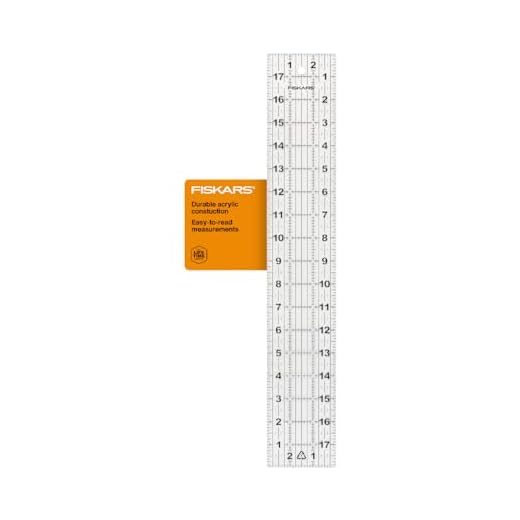
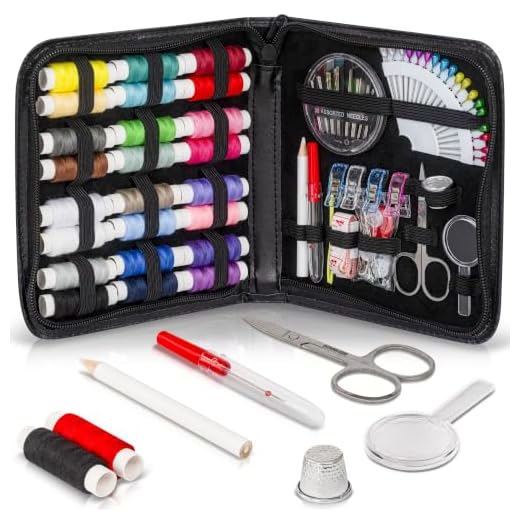
Gather a basic machine, sharp scissors, a tape measure, pins, thread and about a yard of quilting cotton per project. Press as you go: a pressed seam sews flatter and looks intentional. If you are missing basics, a starter kit covers them in one box.
If your notions drawer is empty, start with a complete beginner kit rather than buying items one by one: the Marcoon basic sewing kit bundles thread, scissors, a tape measure, needle threader, seam ripper and thimble in one case. The same Marcoon kit covers every project on this list.
The 15 One Day Patterns at a Glance
| Project | Time | Main skill |
|---|---|---|
| Scrunchie | 15 min | Casing and elastic |
| Fabric headband | 20 min | Straight seam |
| Cloth napkins (set of 4) | 45 min | Hemming |
| Fabric coasters | 45 min | Layering and topstitch |
| Pillowcase (burrito method) | 1 hour | Turning and pressing |
| Envelope pillow cover | 1 to 2 hours | Measuring and hems |
| Drawstring bag | 1 hour | Casing and cord |
| Zipper pouch | 1 to 2 hours | Zipper foot |
| Simple tote bag | 2 to 3 hours | Straps and topstitch |
| Fabric basket | 2 hours | Boxed corners |
| Reusable produce bag | 2 hours | Casings |
| Elastic waist skirt | 2 to 4 hours | Elastic casing |
| Simple apron | 2 to 3 hours | Straps and pockets |
| Fabric bookmark | 30 min | Small precise seams |
| Rice heat pack | 1 hour | Channel stitching |
1. Scrunchies and Headbands

Cut a 3 by 18 inch strip, sew it into a tube, turn it, thread in 8 inches of quarter-inch elastic, and stitch the ends. Fifteen minutes per scrunchie, perfect for scraps, and a great first lesson in casings.
2. Pillowcases and Envelope Covers

A standard pillowcase is one rectangle folded and sewn with two seams, about an hour with the burrito method. An envelope pillow cover adds a flap closure and no zipper, and both teach measuring, straight seams and pressing.
3. Drawstring Bags and Pouches

Two 12 by 16 inch rectangles, side seams, then a folded casing for the cord: a drawstring bag takes about an hour. Swap the cord for a zipper and a zipper foot for a pouch in 45 to 90 minutes, your first zipper practice.
4. Simple Tote Bags

Two outer rectangles, two lining pieces, side seams, then 3 by 22 inch straps box-stitched at the base. Two to three hours total, and the strap reinforcement is the detail that keeps a tote from flopping.
5. Cloth Napkins and Coasters

Napkins are four straight hems on a 18 inch square; coasters are two squares plus batting, topstitched around the edge. Both finish inside an hour and teach hemming and sewing through layers.
6. Fabric Baskets

A basket is a box with boxed corners: sew the sides, pinch the corners flat, and stitch across to create a flat base. Two hours including cutting, and it uses interfacing or a heavy canvas for structure.
7. Elastic Waist Skirts

Your first wearable: a rectangle gathered onto an elastic waistband, no zipper and no fitting. For a step up, see Beginner-Friendly Circle Skirt Sewing: 6 Easy Steps (2026 Guide), which adds a circle calculator but still finishes in a day.
8. Simple Aprons

A bib, a skirt panel and two straps, with an optional pocket. Two to three hours, and it is the first project that feels like real garment sewing while staying forgiving.
Choosing Fabric for Quick Projects
Video note: this Brother support video shows adjusting stitch settings on a machine; use the same idea of fixed, tested settings for quick projects, but it is not a sewing-pattern tutorial. Channel: @BrotherSupportSewing.
Quilting cotton and broadcloth are the most forgiving: they press crisp, do not slip under the foot, and hold a seam. Pre-wash anything that will be washed, avoid slippery satin for your first projects, and use a yard per small project and two to three yards for totes, skirts and aprons.


Time-Saving Tips That Make One Day Real
Cut all pieces before you sew, chain-piece identical steps on several projects at once, and press seams as you go rather than at the end. If a seam wobbles, rip and redo it now: see How to Sew a Seam: A Step-By-Step Guide for Beginners for clean starts and How To Tie a Sewing Knot for locking hand stitches.
- Pre-wash fabric so the finished project does not shrink
- Use a consistent half-inch seam allowance
- Backstitch at the start and end of every seam
- Press each seam before the next step
- Keep a seam ripper in reach, mistakes are normal
Frequently Asked Questions
What is the easiest thing to sew in one day as a beginner? A pillowcase or a scrunchie. Both use straight seams only, finish in about an hour or less, and need a single yard of cotton or less.
Can I really finish a sewing pattern in one day with no experience? Yes for the flat projects on this list: tote bags, drawstring bags, skirts and aprons are designed for first-timers and finish in two to four hours.
Do I need a pattern to start? No. Pillowcases, napkins, scrunchies and totes can be cut from simple rectangles; free PDF patterns help once you move to garments.
What fabric is most forgiving for beginners? Quilting cotton or broadcloth. It presses flat, does not stretch under the needle, and shows your seam lines clearly.
Do I need a serger or overlocker for one day projects? No. A zigzag stitch or pinked edges finish raw seams on a regular machine.
How much fabric do I need for a beginner tote? About two yards for an unlined tote, or one yard of outer plus one yard of lining for a lined version.
What should I sew after these one day projects? A zipper pouch or an elastic waist skirt builds directly on these skills and introduces closures and waistbands.
Can I sew these by hand if I have no machine? Yes, scrunchies, napkins, bookmarks and rice packs sew well by hand with a backstitch.
Conclusion
Fifteen one day sewing patterns for beginners, and every one of them teaches a real skill in a single afternoon. Start with a scrunchie or pillowcase, keep a tote or skirt for your first full day, pre-wash your fabric and press as you go, and you will end today with something handmade that actually gets used.
About This Guide
This guide was prepared by the CraftSing editorial team and checked against beginner-project conventions used across established sewing blogs and manufacturer guidance. For fabric, thread and needle compatibility, see the manufacturer reference chart from Brother: Brother fabric and needle chart. Product mentions are based on publicly available ratings and specifications at the time of writing.
FTC disclosure: CraftSing may earn a commission when you buy through affiliate links on this page, at no extra cost to you. This does not influence our recommendations.
All images in this article were created using AI.